

Painting Indoors in a Wisconsin Winter: Temperature, Ventilation and Drying Time
· Off The Wall Painting
Most people think of painting as a summer project. Open windows, warm days, fresh air. But interior painting does not depend on the weather outside, and a lot of homeowners in Cedarburg and Grafton, and across the Port Washington area, find that winter is a good time to get it done.
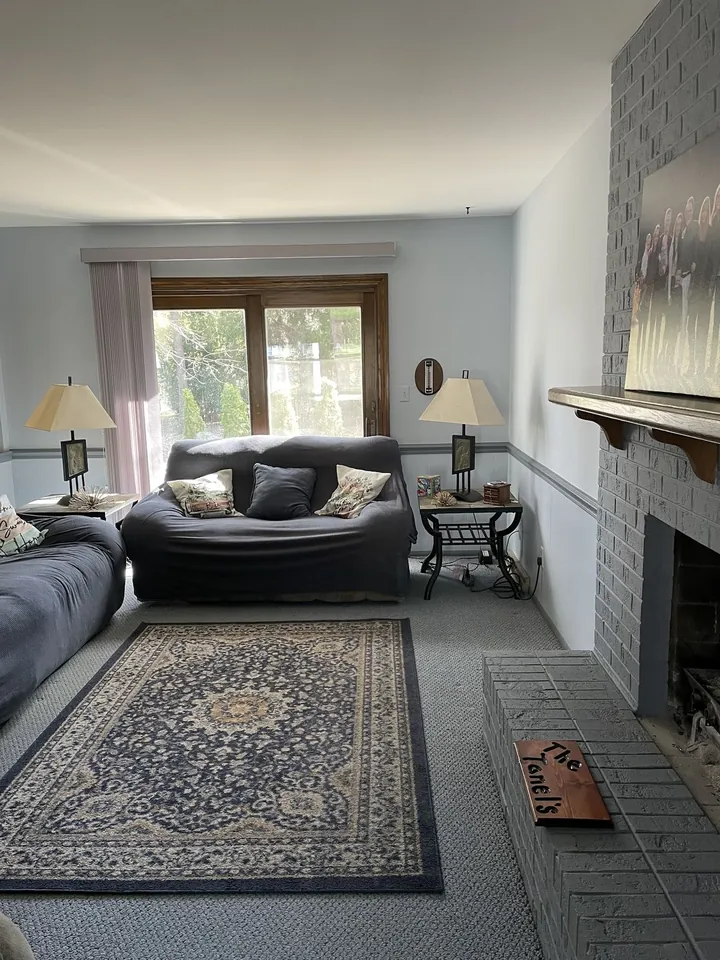
The short answer
Yes. You can paint the inside of your house in winter and get a great result, as long as the house is kept at a normal temperature and the room gets some airflow. What matters is the conditions inside, not the forecast.
Why winter works well for interior painting
Inside work is not held up by rain, wind or cold, and a heated house gives you steady conditions to paint in. That makes winter a good time to get a room done. For the full discussion, including prep, color and planning around the holidays, read our guide to interior painting in winter.
What to watch for in a Wisconsin winter
Painting inside in winter is easy to get right, but a few things deserve attention. The paint label is your best guide for all of them, because it lists the conditions that product needs.
Temperature
Most water-based paints list a minimum temperature on the can, commonly around 50 degrees F, and it applies to the surface as well as the air. Walls near exterior corners and windows can run colder than the thermostat says, so a simple thermometer held against the wall tells you more than the thermostat setting.
Keep the heat on at a normal level before, during and after the job, overnight included. A room that is turned down at night can fall below the label range while the paint is still curing. Spaces that are normally unheated, such as an enclosed porch, need to be brought up to the range on the label before painting and kept there.
Ventilation
You are not going to leave the windows wide open in January, and you do not need to. A low-odor, low-VOC paint, a cracked window and a fan make a big difference. Short bursts of fresh air work better than leaving a window open all day.
Set the fan so it moves air through the room and out toward the cracked window, not straight at the wet wall. Close the window between bursts and let the room come back up to temperature before you open it again, so the walls near the window do not stay cold.
Drying and recoat times
Cold or damp rooms can slow drying. The label lists a time to touch, a time before you can recoat and a time for the paint to fully cure, and they are not the same. Follow the recoat time on the label and allow a little extra between coats instead of rushing the second one.
Dry to the touch does not mean cured. A freshly painted wall can still be soft, so wait for the cure time on the label before you push furniture against it, hang pictures or scrub it.
Humidity
Humidifiers, long showers and laundry dried indoors can add moisture to the air. Very humid rooms dry more slowly, so keep the level moderate while the paint cures. Turn the humidifier down, run the bathroom fan after showers, and treat fogged windows as a sign that the room is holding more moisture than it should.
Winter light
Short, gray days change how colors look. Put a sample on the wall and look at it in the morning, afternoon and with the lights on before you commit to a color. Look again on a bright day and a cloudy one, since winter light shifts a lot.
Before, during and after: a checklist
Before painting
- Check the label. Note the minimum temperature, the recoat time and the cure time.
- Set the heat. Put the thermostat at a normal level and bring any normally unheated space up to the label range.
- Plan the airflow. Decide which window you will crack and where the fan will sit.
- Lower the moisture. Turn the humidifier down and plan showers and laundry around the work.
- Clear the room. Move smaller items out, and plan for the furniture that has to stay in the middle of the room.
- Plan around the household. Pets, kids and anyone sensitive to smell are easier to plan around when the dates are set ahead of time.
While painting
- Keep the heat steady. Do not turn it down between coats.
- Run the fan and crack the window. Let fresh air in short bursts and close the window in between.
- Wait out the recoat time. Use the time on the label, with a little extra if the room is cool or damp.
After painting
- Hold the temperature overnight. Keep the heat at the same level until the paint has cured.
- Keep air moving. A fan and short bursts of fresh air help clear the smell.
- Wait before moving furniture back. Use the cure time on the label, and keep pieces off the walls until then.
Which rooms make sense to paint in winter
Almost any interior room can be painted in winter, and some jobs fit the season especially well.
- Bedrooms, living rooms and hallways. These are the easiest to do quickly, and you can often keep using the rest of the house while one room is being painted.
- Kitchens and cabinets. Cabinet painting in Cedarburg and cabinet painting in Grafton is indoor work, so the season does not get in the way. Cabinets need time to cure after painting, so plan on a few days of lighter use.
- Ceilings and trim. Fresh ceilings and crisp trim change a room more than most people expect, and both are good winter projects.
- Basements. Basements need extra care in winter. Cold concrete and moisture can keep paint from bonding, so any dampness should be dealt with first, and the walls should be dry before anyone paints.
Common questions
Can I paint if I cannot open the windows? Yes. Use a low-odor paint, run a fan and let in some fresh air in short bursts.
How cold is too cold to paint indoors? Check the label on the can. Many water-based paints call for the air and surface to be about 50 degrees F or warmer. If the house is heated normally, you are fine.
Will the smell last longer in winter? It can linger a bit longer with the windows closed. Low-odor paint and a fan help a lot.
When can I put the furniture back? Check the cure time on the paint label. Dry to the touch comes first, and full cure takes longer, especially in a cool or damp room.
Should I wait until spring? There is no reason to wait. If the work is going to bother you for the next few months, doing it now means you enjoy the result sooner.
Thinking about painting this winter?
Off The Wall Painting does interior painting for homeowners in Cedarburg, Grafton, Port Washington and the surrounding towns. The business was founded by owner Randy Vargo, who has more than fifteen years of experience in residential and commercial painting. If you have a room, a kitchen or a whole floor in mind, request a quote or call (262) 416-7928. We are available Monday through Friday, 8am to 4pm.
Request a free estimate
Tell us about the project and we'll schedule a time to look at it in person. Every estimate is written and itemized.
- (262) 416-7928
- [email protected]
- Mon–Fri, 8am–4pm